 Chat with Us

Marine Two-Way Radios for Port and Offshore Use
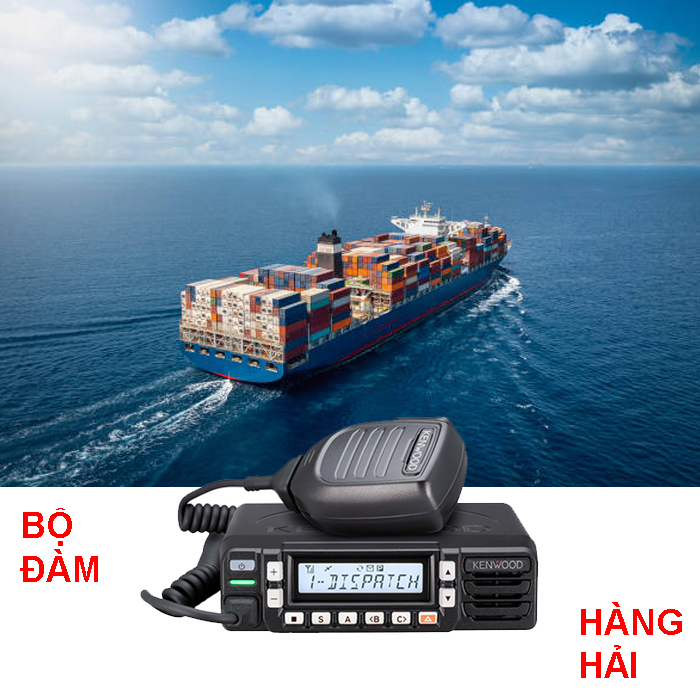
Marine Two-Way Radios – A Safe Communication Solution at Sea
1. What is a marine two-way radio?
A marine two-way radio (marine radio) is a dedicated wireless communication device used on ships, boats, rescue vessels, and other watercraft. It operates mainly on the marine VHF frequency band (156 – 174 MHz), enabling crew members to communicate with seaports, control stations, other vessels, or rescue teams in emergencies.
2. Why use a dedicated marine two-way radio?
-
✅ Clear, stable communication in harsh weather and heavy seas.
-
✅ Water and dust resistance to IP67/IP68, keeping the device functional even if it falls into the sea.
-
✅ Distress Signal mode for quickly sending an emergency signal to surrounding vessels.
-
✅ Compliance with maritime safety regulations from the IMO and the Vietnamese Ministry of Transport.
3. Common types of marine two-way radios today
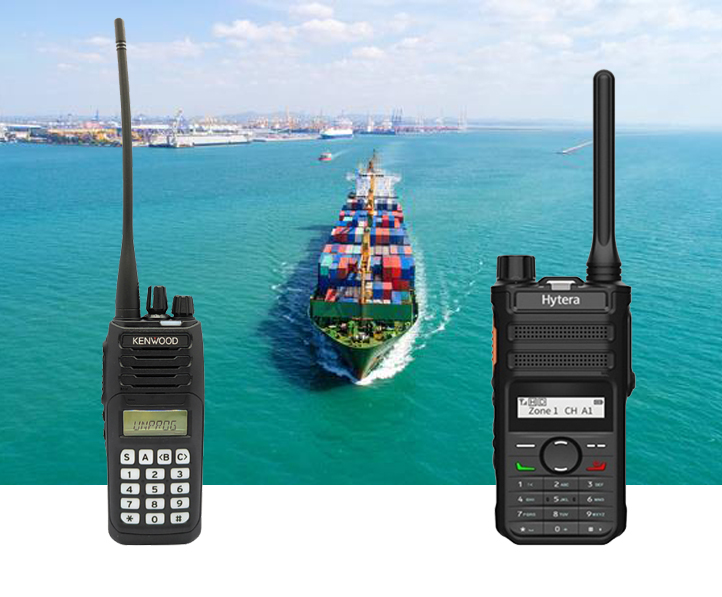
Handheld marine VHF two-way radios
-
Compact and convenient for small boats and speedboats.
-
High-capacity rechargeable battery for long operating time.
-
Easy to switch channels.
-
Examples: Kenwood NX-1200 M3, Hytera AP588…
Fixed-mount VHF two-way radios
-
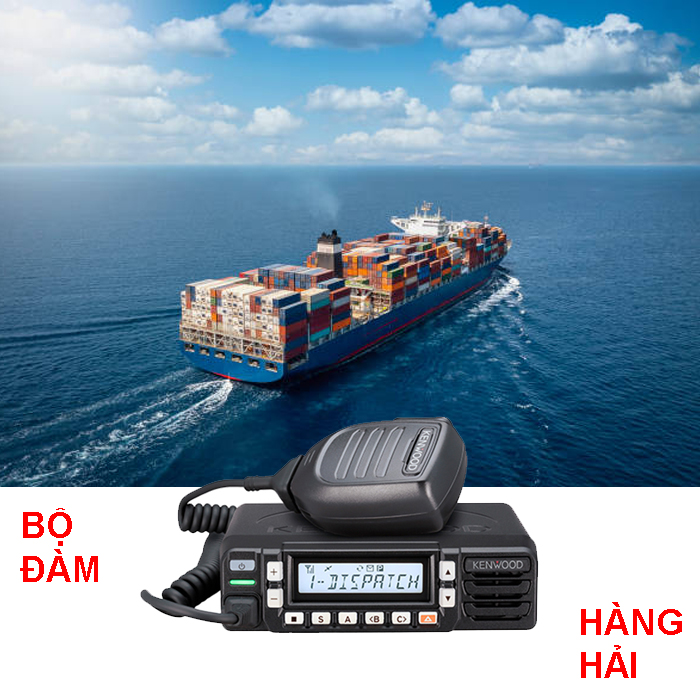
Powered from the vessel’s 12V supply.
-
Detachable antenna, high output (45 W), long-range communication of 10–20 nautical miles.
-
Example: Kenwood NX-1700
Marine DSC (Digital Selective Calling) two-way radios
-
Automatically sends position and emergency alerts using an MMSI number.
-
GPS integrated, compatible with AIS systems.
-
Requires MMSI registration per regulations.
4. Criteria for choosing a marine two-way radio
-
International VHF standard frequency (ITU-R compliant).
-
Water resistance rated IP67 or higher.
-
Loud, clear audio, easy to use in strong wind or heavy rain.
-
Built-in GPS or external GPS connectivity.
-
Reputable brand, with warranty and available spare parts.
5. Some reputable marine two-way radio brands
-
Kenwood (Japan) – #1 market share for marine two-way radios worldwide.
-
Hytera (China) – Affordable and widely used.
6. Notes on using marine two-way radios in Vietnam
-
Set the correct international channel frequencies (Channel 16, 70, etc.) per ITU rules.
-
Required equipment for vessels ≥ 15 m is mandatory under maritime standards.
Conclusion
Whether you are a fisherman, ship captain, or port coordinator, a marine two-way radio is indispensable equipment for safe and effective offshore communication. Invest in the right type of device, make sure it meets standards, and choose one that fits your real-world needs.